The Engineering Bottleneck
A conventional performance car is constrained by tyre traction. Its tyres must transfer the force generated by the drivetrain to the road, while aerodynamic downforce generally increases with vehicle speed.
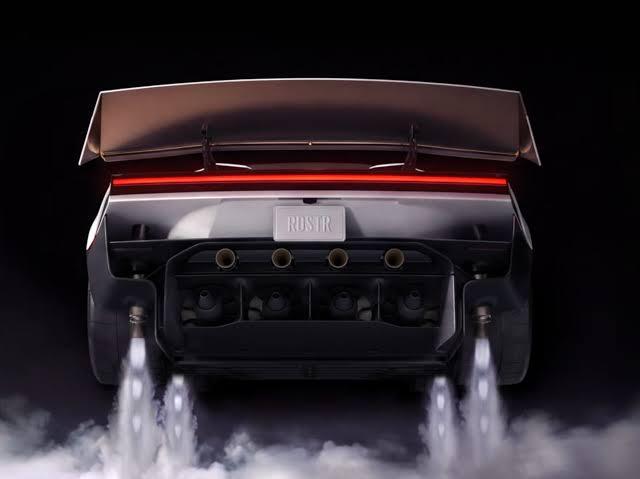
Tesla's proposed Roadster tackles these constraints with two unusual systems.
- Active suction-based downforce
Instead of relying entirely on airflow over the body, an underbody fan system draws air from beneath the vehicle. This creates a pressure difference that pushes the car towards the surface.
In principle, this allows significant downforce even at low speeds, where conventional aerodynamic downforce is limited. Tesla claims its system can generate enough suction to hold the vehicle upside down.
- Cold-gas propulsion
The SpaceX-associated package uses compressed gas discharged through thrusters to generate thrust. Unlike a conventional rocket engine, a cold-gas thruster does not burn propellant.
By controlling thrust direction, such a system can produce brief impulses and rotational forces. Tesla describes this technology as enabling aerial manoeuvres and acceleration beyond what tyre traction alone can provide.
The important distinction is that these systems address different physical constraints: suction increases normal force against a surface, while thrusters generate force independently of tyre contact.
Production Takeaway
The Roadster is an interesting case study in multidisciplinary engineering. Its proposed capabilities require coordination between mechanical design, fluid dynamics, propulsion, control systems, thermal management, and safety engineering.
But a successful demonstration is only the beginning. Repeatability, energy and gas storage, vehicle stability, crash safety, and regulatory approval remain critical hurdles before such capabilities could become practical in a production vehicle.
Tesla has announced a 2028 production target. The next question is whether the demonstrated concepts can translate into a reliable, manufacturable product.
The bigger engineering lesson: innovation often comes from combining established technologies in ways that challenge conventional design constraints.